

Introduction
In remote locations where access to the main power grid is limited or non-existent, diesel generators play a crucial role in providing a reliable source of electricity. Whether it be in rural areas, construction sites, mining operations, or during emergencies, diesel generators are a popular choice for ensuring continuous power supply. This article will delve into the various aspects of diesel generators for remote power supply, including their functionality, benefits, applications, maintenance, and environmental impact.
Functionality of Diesel Generators
Diesel generators work on the principle of converting diesel fuel into mechanical energy, which is then transformed into electrical energy through an alternator. The diesel engine drives the alternator, which produces electricity by rotating a magnetic field within a coil of wire. The generated electricity is then distributed through outlets to power various electrical devices and equipment.
One of the key advantages of diesel generators is their ability to provide a stable and consistent power supply, making them ideal for critical applications where uninterrupted electricity is essential. The robust design and construction of diesel generators enable them to operate efficiently in harsh environments and under heavy loads, making them a reliable choice for remote power supply.
Benefits of Diesel Generators for Remote Power Supply
1. Reliability: Diesel generators are known for their reliability and durability, making them a dependable source of power in remote locations where access to the main grid is limited. Their ability to operate continuously for extended periods without overheating or experiencing mechanical failures makes them a preferred choice for critical applications.
2. Fuel Efficiency: Diesel generators are more fuel-efficient compared to other types of generators, such as gasoline or natural gas generators. The high energy density of diesel fuel allows diesel generators to generate more power per unit of fuel consumed, resulting in lower operating costs and longer run times between refueling.
3. Low Maintenance: Diesel generators require minimal maintenance compared to other types of generators. The robust design of diesel engines, coupled with their simple and reliable operation, reduces the need for frequent servicing and repairs, making them a cost-effective option for remote power supply.
4. Power Output: Diesel generators are capable of producing high power output, making them suitable for powering a wide range of electrical devices and equipment in remote locations. Their ability to handle heavy loads and provide stable voltage regulation ensures consistent performance even under varying load conditions.
5. Quick Start-Up: Diesel generators have a quick start-up time, allowing them to provide power almost instantly when needed. This feature is crucial in emergency situations or when a sudden power outage occurs, ensuring that critical operations can continue without interruption.
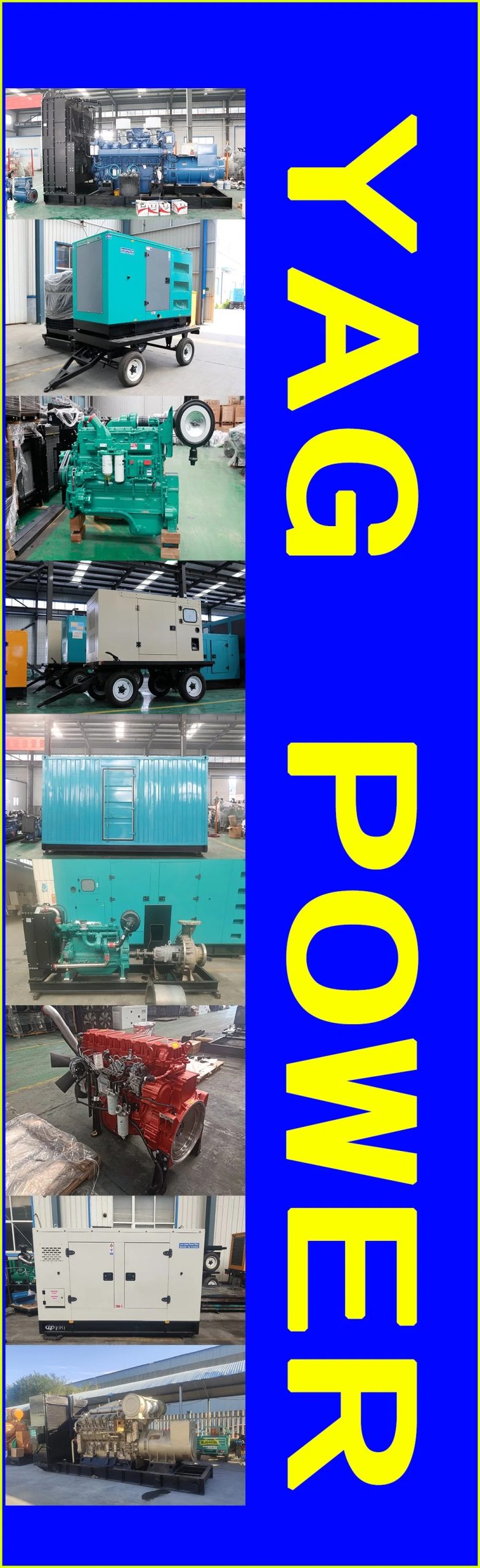
200kw diesel generator for emergency backup of Diesel Generators in Remote Locations
Diesel generators find a wide range of applications in remote locations where access to the main power grid is limited or unreliable. Some common applications include:
1. Rural Electrification: Diesel generators are used to provide electricity to remote villages and rural communities that are not connected to the main grid. They play a vital role in improving the quality of life for residents by powering homes, schools, healthcare facilities, and businesses.
2. Construction Sites: Diesel generators are commonly used at construction sites to power tools, equipment, and temporary facilities. Their portability and ability to provide reliable power make them essential for maintaining productivity and meeting project deadlines in remote locations.
3. Mining Operations: In remote mining sites where access to electricity is limited, diesel generators are used to power heavy machinery, lighting systems, and ventilation systems. The robust construction of diesel generators enables them to withstand the harsh operating conditions typical of mining environments.
4. Telecommunication Towers: Diesel generators are employed to provide backup power to telecommunication towers located in remote areas. Ensuring continuous power supply is crucial for maintaining communication networks and preventing service disruptions during power outages.
5. Emergency Response: Diesel generators are deployed during natural disasters, emergencies, and humanitarian crises to provide temporary power supply for emergency services, shelters, and relief efforts. Their reliability and quick start-up time make them invaluable in critical situations where immediate power is needed.
Maintenance of Diesel Generators for Remote Power Supply
Proper maintenance of diesel generators is essential to ensure their reliable performance and longevity in remote locations. Some key maintenance practices include:
1. Regular Inspection: Conduct routine inspections of the diesel generator to check for any signs of wear, leaks, or damage. Inspect the fuel system, electrical connections, cooling system, and exhaust system to identify and address any issues promptly.
2. Fluid Checks: Monitor the levels of engine oil, coolant, and fuel regularly to ensure proper lubrication and cooling of the engine. Maintain the recommended levels of fluids and replace them as needed to prevent overheating and mechanical failures.
3. Filter Replacement: Replace the fuel, oil, and air filters at regular intervals to maintain the efficiency of the diesel generator. Dirty filters can restrict airflow and fuel flow, leading to reduced performance and increased fuel consumption.
4. Load Testing: Periodically test the diesel generator under load conditions to ensure that it can handle the required power output. Load testing helps identify any potential issues with the generator's performance and allows for adjustments to be made as needed.
5. Fuel Quality: Use high-quality diesel fuel with the appropriate additives to prevent fuel contamination and ensure optimal engine performance. Contaminated fuel can damage the engine components and lead to malfunctions, resulting in costly repairs.
Environmental Impact of Diesel Generators
While diesel generators offer numerous benefits for remote power supply, they also have environmental implications that need to be considered. Diesel generators emit pollutants such as nitrogen oxides (NOx), particulate matter (PM), and carbon monoxide (CO) during combustion, contributing to air pollution and health risks.
To mitigate the environmental impact of diesel generators, several measures can be implemented:
1. Emission Control Technologies: Install emission control technologies such as diesel particulate filters (DPF) and selective catalytic reduction (SCR) systems to reduce harmful emissions from diesel generators. These technologies help to minimize the release of pollutants into the atmosphere.
2. Use of Cleaner Fuels: Utilize ultra-low sulfur diesel (ULSD) fuel with lower sulfur content to reduce emissions of sulfur dioxide (SO2) and sulfur particulates. Cleaner fuels help to improve air quality and reduce the environmental impact of diesel generators.
3. Energy Efficiency: Optimize the operation of diesel generators to improve energy efficiency and reduce fuel consumption. Implementing energy-saving practices such as load management and regular maintenance can help minimize the environmental footprint of diesel generators.
4. Alternative Power Sources: Explore the use of renewable energy sources such as solar, wind, or hydropower in conjunction with diesel generators to reduce reliance on fossil fuels and lower emissions. Hybrid power systems can provide a more sustainable and environmentally friendly power supply solution for remote locations.
Conclusion
Diesel generators play a vital role in providing reliable power supply in remote locations where access to the main grid is limited or unreliable. Their functionality, benefits, applications, maintenance requirements, and environmental impact make them a popular choice for a wide range of industries and sectors. By understanding the key aspects of diesel generators for remote power supply and implementing best practices for their operation and maintenance, users can ensure the continuous availability of electricity in off-grid locations while minimizing their environmental footprint.